
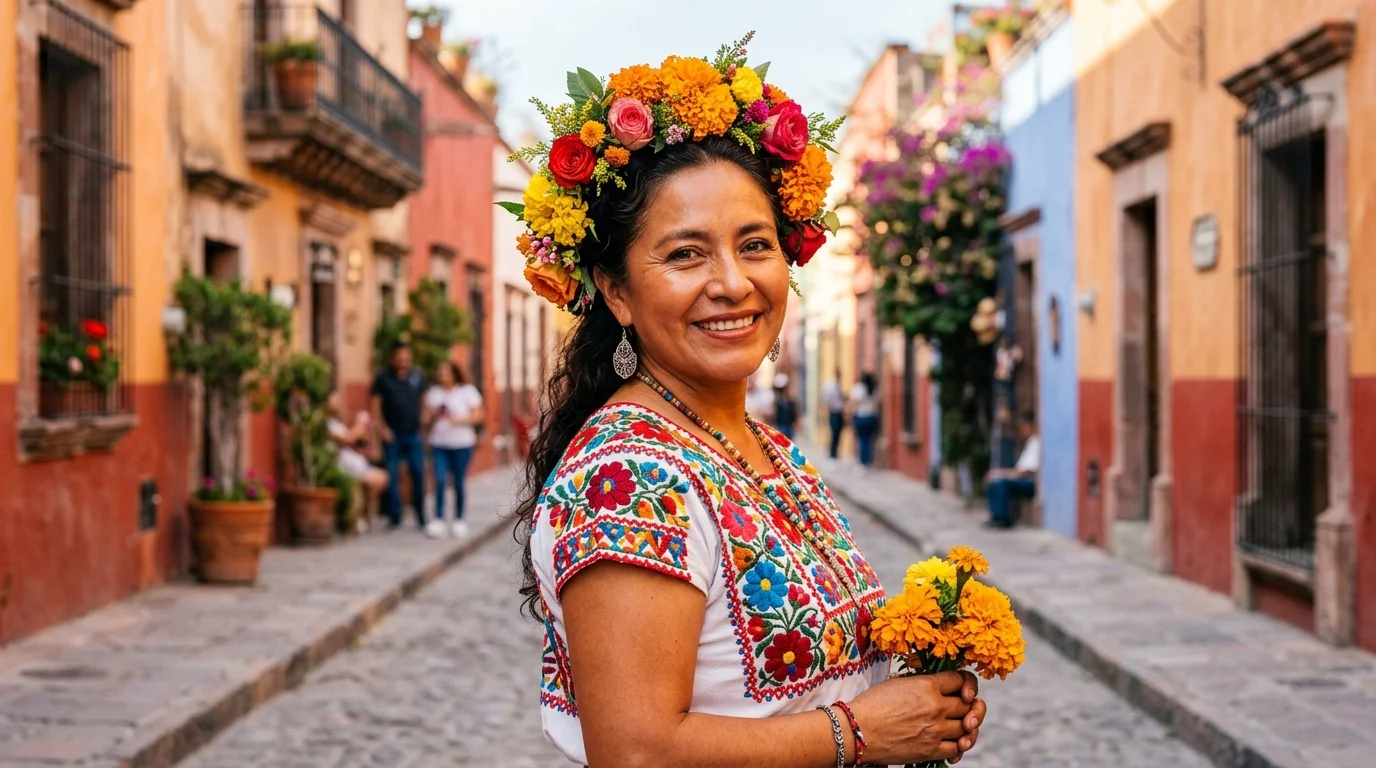
8 Mexico Hairstyles Inspired by Traditional and Modern Beauty
The tapestry of Mexican beauty is woven from thousands of years of history, blending the indigenous majesty of the Aztecs and Mayans with Spanish colonial influences and modern global trends. Hair, in Mexican culture, is far more than just a stylistic choice; it is a canvas for storytelling, a symbol of status, and a celebration of heritage. From the revolution-era braids of the Adelitas to the sleek, high-fashion silhouettes found on the streets of Mexico City today, Mexican hairstyles are defined by their volume, intricate textures, and the bold use of accessories.
In this guide, we explore eight iconic hairstyles that capture the essence of Mexico’s diverse aesthetic landscape, offering inspiration for those who wish to honor tradition or embrace contemporary Latin elegance.
1. Trenzas con Flores
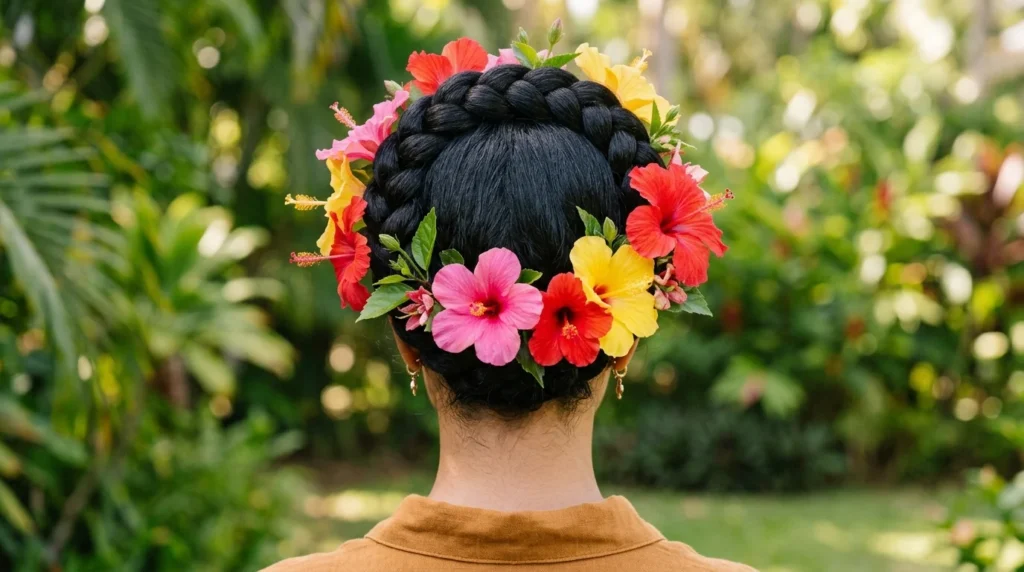
The “braided crown” is perhaps the most universally recognized Mexican hairstyle, popularized globally by the iconic artist Frida Kahlo. Historically, these braids served a practical purpose, keeping hair tidy during labor, but they were quickly elevated into an art form. This style involves two long braids wrapped over the top of the head to create a halo effect.
To achieve the authentic “Trenzas con Flores” look, the hair is often interwoven with colorful woolen threads or silk ribbons. The addition of fresh flowers—roses, dahlias (Mexico’s national flower), or bougainvillea—transforms the style into a living crown. It represents a fusion of indigenous braiding techniques and the vibrant floral abundance of the Mexican countryside.
2. Adelita Braids
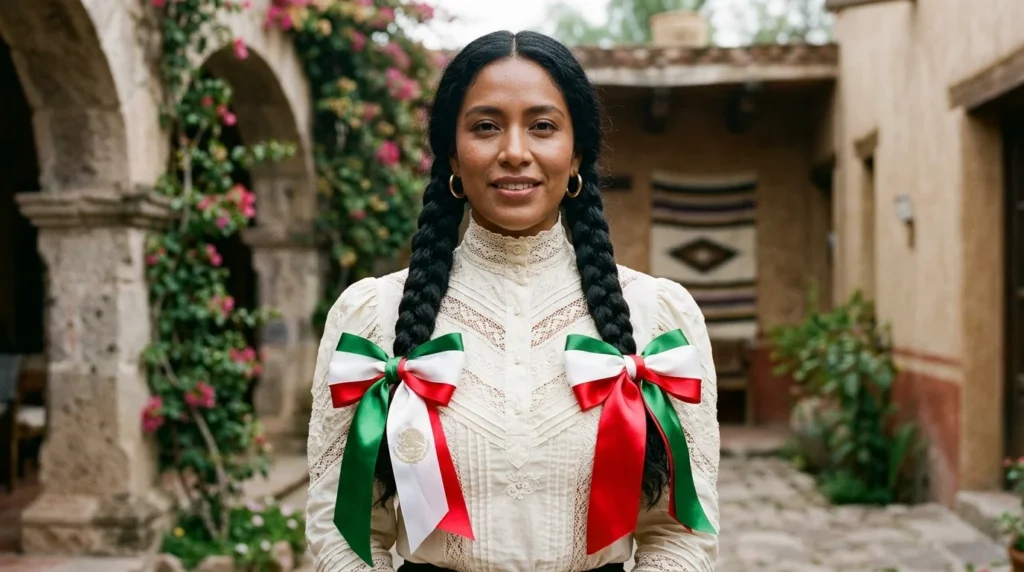
Named after the courageous women who fought during the Mexican Revolution, the “Adelita” style consists of two long, simple braids draped over the shoulders. While the structure is straightforward, the symbolism is profound. During the revolution, these braids symbolized the strength and resilience of women who took up arms and provided essential support on the front lines.
The modern iteration of Adelita braids often features deep side parts and the use of “listones” (ribbons). These ribbons are frequently tied in large, flamboyant bows at the ends of the braids. It is a favored style for national holidays like Grito de Dolores, embodying a sense of patriotic pride and historical remembrance.
3. Oaxacan Tlacoyales
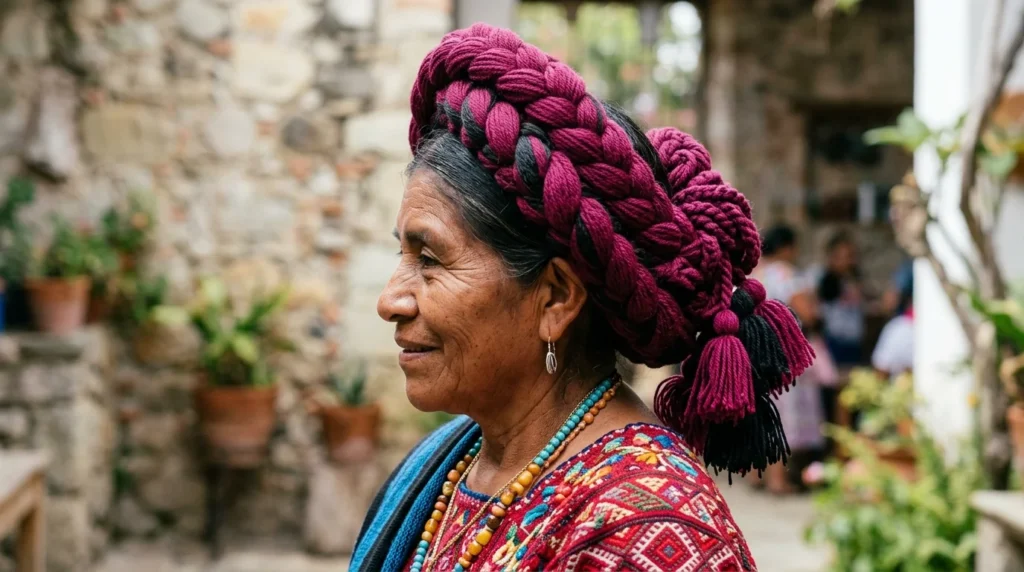
In the heart of Oaxaca, hair is treated as a sculptural masterpiece. The “Tlacoyales” style is a traditional indigenous technique where thick cords of wool—usually in deep reds, purples, or pinks—are braided directly into the hair. This adds immense volume and creates a structure that can be coiled and pinned in various patterns.
The tlacoyales are not just decorative; they often signify the wearer’s community and marital status. This hairstyle is a testament to the endurance of pre-Hispanic traditions. It requires significant skill to balance the weight of the wool and hair, resulting in a majestic, architectural look that is frequently seen during the Guelaguetza festival.
4. Sleek High Ponytail
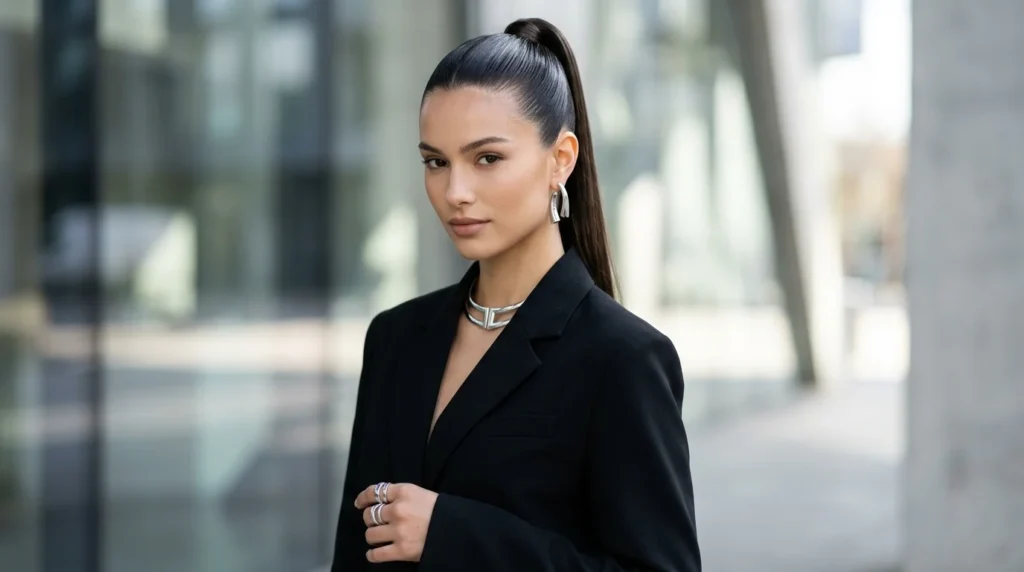
Moving into the urban centers like Mexico City and Monterrey, the “Coleta Alta” (High Ponytail) has become a staple of modern Mexican glamour. This look celebrates the naturally thick, lustrous hair that is common among Mexican women. Unlike the soft, messy ponytails seen elsewhere, the Mexican variant is characterized by its “pulido” (polished) finish.
Achieving this look involves using high-shine gels and edge control to ensure not a single stray hair is out of place. It is a power move in the professional and fashion world, offering a sharp, sophisticated silhouette that highlights the cheekbones and facial structure. It is the perfect bridge between traditional neatness and contemporary edge.
5. Cempasúchil Chignon
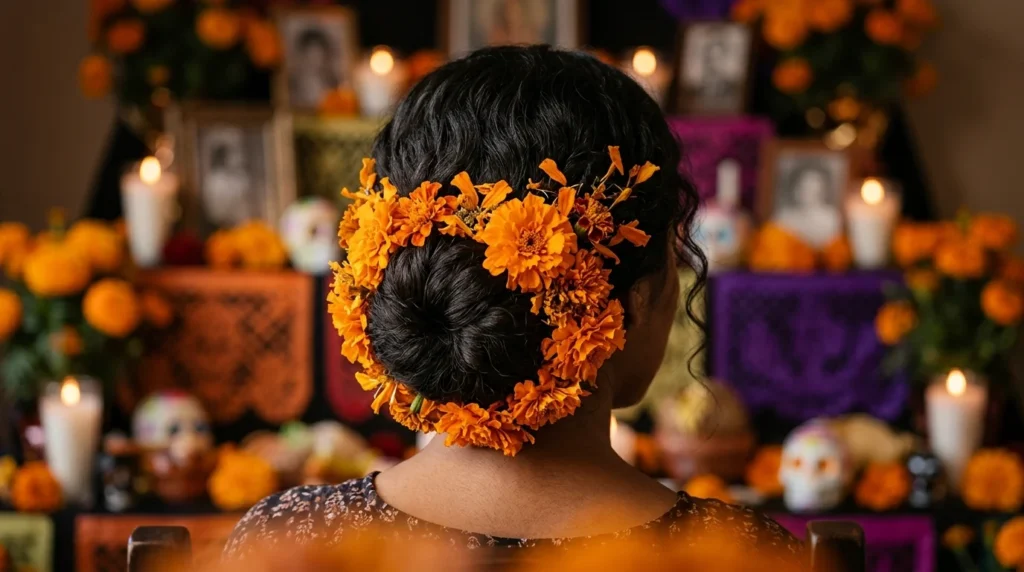
The “Day of the Dead” or Día de los Muertos has inspired a specific aesthetic that has influenced global beauty trends. The Cempasúchil Chignon is a low, elegant bun adorned with the “flower of the dead.” These vibrant orange marigolds are believed to guide the spirits of the departed back to the world of the living with their scent and color.
For this hairstyle, the hair is usually parted in the middle and gathered into a sleek or slightly curled low bun. The flowers are then pinned around the base of the bun or tucked into the hair to create a halo of orange. It is a look that is both somber and celebratory, reflecting the unique Mexican perspective on the cycle of life and death.
6. Half-Up Mexican Ribbon
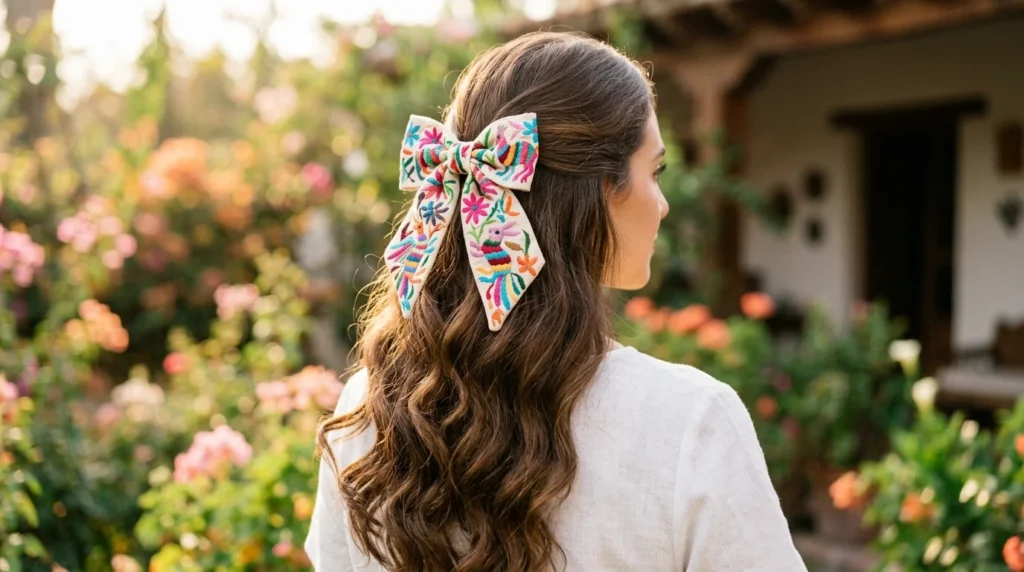
A beautiful blend of modern styling and traditional craft, the “Half-Up with Ribbon” style utilizes “Tenango” or “Talavera” inspired accessories. Tenango is a style of embroidery from Hidalgo characterized by colorful, whimsical depictions of nature. Using a strip of this embroidered fabric to tie back the hair creates a look that is casual yet deeply rooted in artisanal culture.
This style is popular for “Bautizos” (baptisms) and family gatherings. It allows for the ease of modern loose waves while paying homage to the textile arts that have been passed down through generations of Mexican craftspeople.
7. Tulum Beach Waves
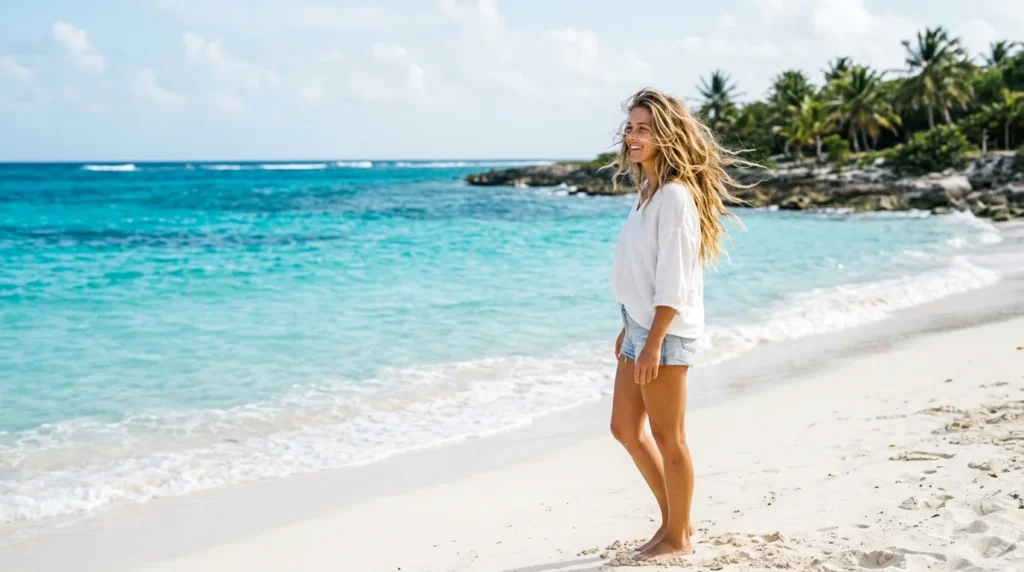
Inspired by the bohemian luxury of the Riviera Maya, the “Tulum Wave” represents the modern, coastal side of Mexican beauty. This style moves away from the structured braids and buns of the highlands and embraces the wild, salty texture of the Caribbean coast.
The look is characterized by long, layered hair with “balayage” highlights that mimic the effect of the Mexican sun. It is effortless and “despeinado” (undone), often accessorized with simple beaded headbands made by local Mayan artisans. This hairstyle reflects the relaxed, spiritual, and nature-connected lifestyle that has made the Mexican coast a global beauty destination.
8. Quinceañera Curls
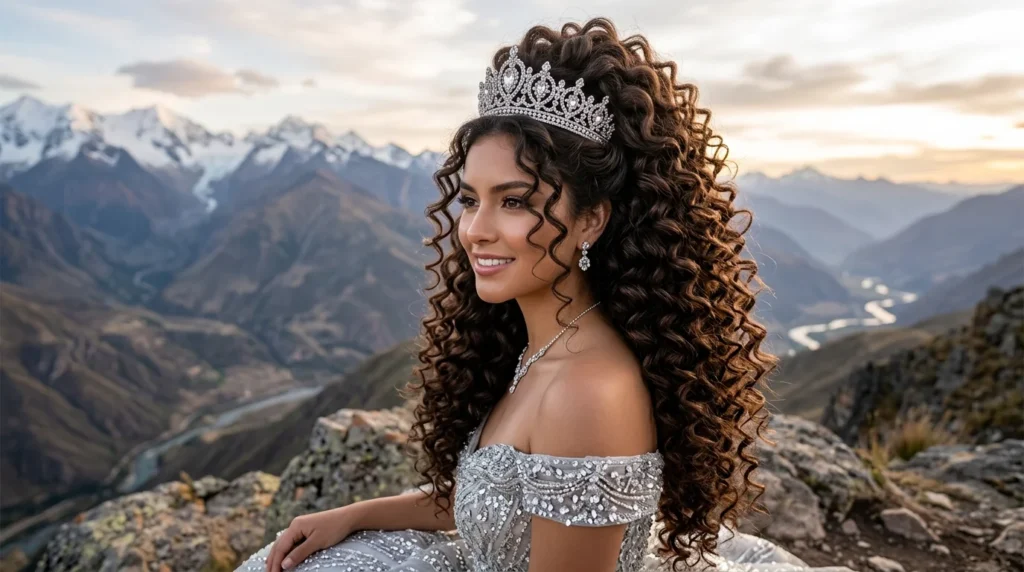
No list of Mexican hairstyles would be complete without the “Quinceañera” look. The 15th birthday is a massive milestone in Mexican culture, signifying a girl’s transition into womanhood. The hairstyle for this occasion is maximalist, royal, and unapologetically glamorous.
This style involves high-volume curls, often achieved with extensions to create a “cascada” (waterfall) effect. The hair is usually crowned with a “tiara” or “corona” of crystals. It is a celebration of femininity and family pride, requiring hours of preparation and a significant amount of hairspray to ensure that the curls hold through hours of dancing the traditional waltz.


